High-Yield Savings Accounts 2026: How They Actually Work
A high-yield savings account (HYSA) is one of the simplest ways to make idle cash work a little harder — without taking on market risk. But the headline rate you see in an ad isn't the whole story. This page explains how APY works, what FDIC insurance really covers, the fees to watch, and how to compare accounts honestly. We don't quote a specific rate, because they change daily.
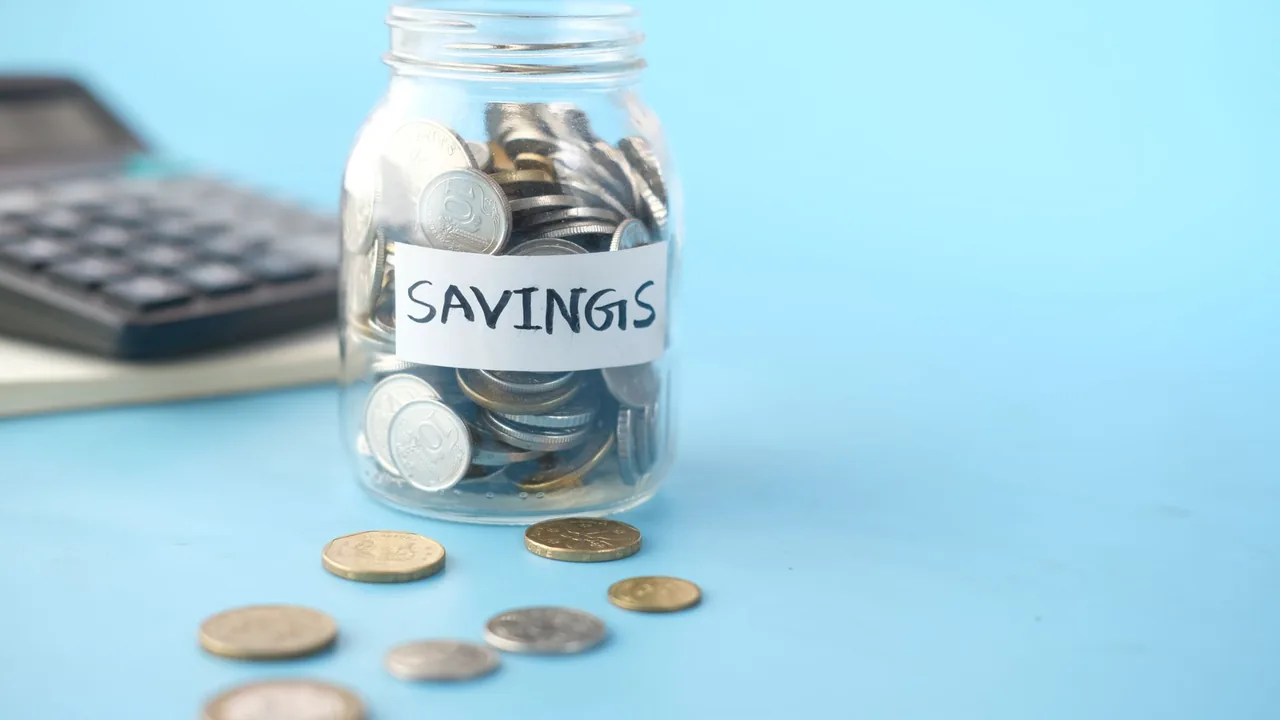
What makes a savings account "high-yield"
There's no official definition, but a HYSA simply pays an APY well above the national savings average. They're usually offered by online banks, which have lower overhead than branch networks and pass some of that saving on as a higher yield. The trade-off is mostly digital service — there's typically no local branch to walk into.
APY, explained without the jargon
APY (annual percentage yield) is the number that matters. It shows what you'd earn in a year including compounding — interest paid on your interest. Because of compounding, the APY is always a touch higher than the plain interest rate, so when you compare accounts, compare APY to APY. One more honest point: HYSA rates are variable. The bank can raise or lower them at any time as broader rates move, so today's rate is not locked in.
FDIC insurance: your safety net
This is the reassuring part. Money in a HYSA at an FDIC-insured bank is federally insured up to $250,000 per depositor, per insured bank, for each ownership category. If the bank fails, your insured deposit is protected. Credit unions offer comparable coverage through the NCUA. Before you deposit, confirm the institution carries FDIC (or NCUA) insurance — it's the difference between "savings" and "risk."
What to compare (besides the rate)
1. APY — but read the conditions
Compare APY to APY across accounts. Watch for "intro" or promotional rates that drop after a few months, or top rates that require a high balance.
Best for: the core comparison2. Fees
Many online HYSAs charge no monthly maintenance fee — but not all. A monthly fee can quietly erase your interest.
Best for: keeping what you earn3. Minimum balance
Some accounts require a minimum to open or to earn the advertised APY; many require none.
Best for: starting small4. Access & transfer limits
Check how fast you can move money to your checking account, and whether there's a monthly withdrawal cap.
Best for: emergency-fund flexibility5. FDIC / NCUA insurance
Non-negotiable. Confirm the bank or fintech partner bank is insured before depositing.
Best for: peace of mindHYSA vs other "safe" places for cash
| Option | Honest trade-off |
|---|---|
| High-yield savings | Variable rate, easy access, FDIC-insured |
| Certificate of deposit (CD) | Often a fixed rate, but your money is locked for a term |
| Money market account | Similar to HYSA, sometimes with check-writing; terms vary |
Rates and terms vary by provider and change frequently. Always confirm the current APY, fees, and insurance status directly with the bank before opening an account.
Frequently asked questions
What is APY vs interest rate?
APY includes compounding (interest on interest), so it's slightly higher than the base rate. Compare APY to APY across accounts. Rates vary by bank and change — check the current figure with the provider.
Is money in a HYSA safe?
At an FDIC-insured bank, deposits are insured up to $250,000 per depositor, per bank, per ownership category (NCUA for credit unions). Confirm the institution is insured before depositing.
Why are HYSA rates higher?
They're often from online banks with lower overhead. Rates are variable and not guaranteed — they move with broader interest rates.
Can my rate change?
Yes. HYSA rates are variable and can change at any time. Today's advertised rate isn't locked in. A CD offers a fixed rate but limits access — verify terms with the bank.
Are there fees or minimums?
Many online HYSAs have no monthly fee and low or no minimum, but this varies. Some require a minimum for the top rate. Read the fee schedule before opening.