How to Build an Emergency Fund (2026)
An emergency fund is the boring financial move that quietly changes everything: it turns a job loss, car repair, or medical bill from a crisis into an inconvenience. The good news is the rules are simple and you can start small. Here's how much to aim for, where to keep it, and how to actually get there — without pretending it's effortless.
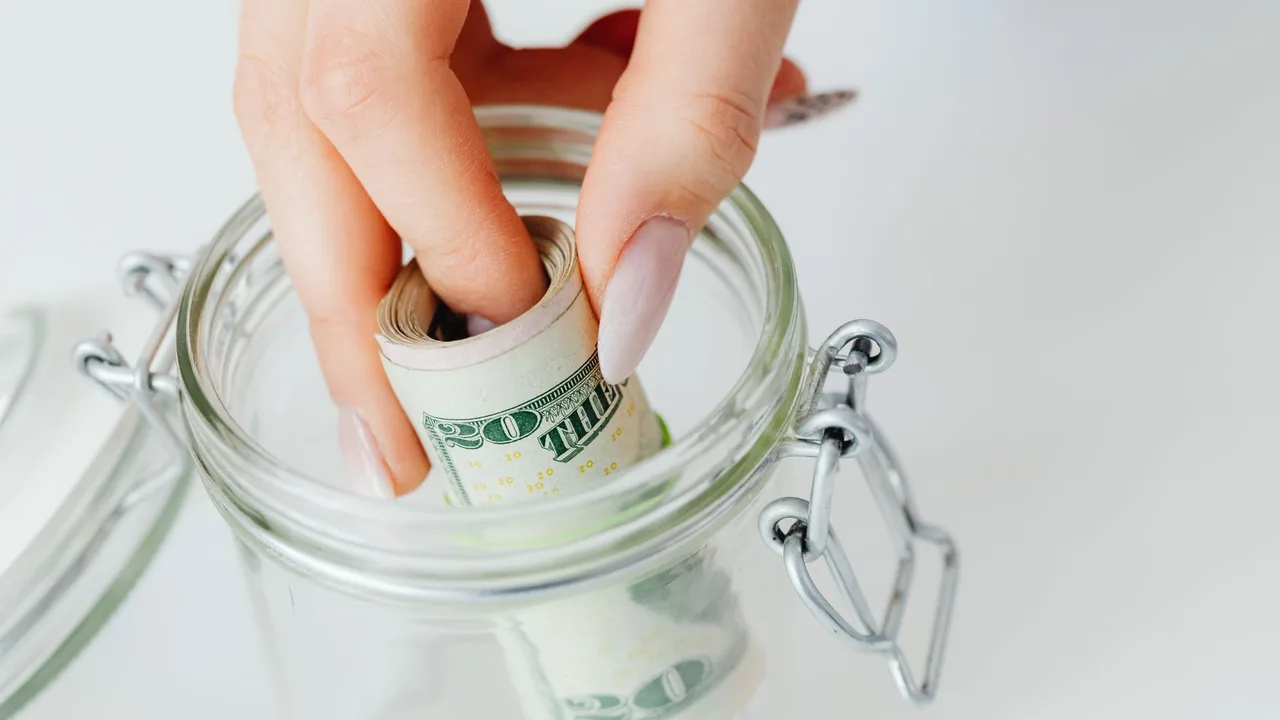
Step 1: Know your real target
The widely cited guideline is 3 to 6 months of essential expenses — the must-pay stuff: rent or mortgage, utilities, food, insurance, and minimum debt payments. Not vacations, not dining out. The wider the range, the more it depends on you:
| Your situation | Commonly suggested target |
|---|---|
| Stable income, dual earners | Closer to 3 months |
| Single income or some volatility | Closer to 6 months |
| Variable / uncertain income | Some aim higher still |
These are general guidelines, not rules. Your right number depends on job security, dependents, and risk tolerance.
Step 2: Start with a starter fund
Don't be paralyzed by the full target. A widely recommended first milestone is a small starter fund — often around $1,000, or one month of essentials — built quickly. That alone covers the most common surprises. Then you expand toward 3 months, then 6, at a pace your budget allows.
The simple ladder
1) Starter fund (~$1,000 or one month). → 2) One full month of expenses. → 3) Three months. → 4) Three to six months. Hitting each rung is a real win — celebrate it and keep going.
Best for: staying motivated without overwhelmStep 3: Choose where to keep it
An emergency fund has one job: be there, instantly, when you need it — without market risk. That points to a few common homes:
1. High-yield savings account (HYSA)
The most common choice: safe, FDIC-insured, accessible, and earns more than checking. See our HYSA guide for how APY and insurance work.
Best for: most people2. Money market account
Similar to a HYSA, sometimes with limited check-writing; terms and rates vary by bank.
Best for: those wanting check access too3. Keep it separate from checking
Wherever you keep it, hold it apart from your everyday account so it's not casually spent.
Best for: protecting the fund from yourselfStep 4: Automate it
Willpower is unreliable; automation isn't. Set a small recurring transfer to your separate savings account on payday — even a modest amount compounds into a real cushion. Treat it like a bill you pay to your future self. A budgeting app can help you find the room.
Frequently asked questions
How many months should it cover?
A common guideline is 3–6 months of essential expenses, with single-income or volatile earners often aiming higher. The right target depends on your situation — this is general info, not personal advice.
Where should I keep it?
Somewhere safe and liquid, like a high-yield savings or money market account, so it earns interest while staying accessible and out of market risk. Choose an FDIC/NCUA-insured account and verify terms.
How do I start with little money?
Build a small starter fund first (~$1,000 or one month), then grow toward 3–6 months. Automate a small recurring transfer. Scale the amounts to your budget.
Emergency fund before investing or debt payoff?
Many educators suggest a small starter fund first so a surprise bill doesn't create high-interest debt. Balancing it with debt and investing depends on your rates and goals — consider a licensed professional.
Why not keep it in checking?
Keeping it separate reduces temptation and lets it earn more in a high-yield account. A low-interest account also loses to inflation over time. Keep it accessible but separate.